Winners Ceremony
 In September 2024, the prestigious Tanu Award 2024 ceremony,
a pivotal event in the Central Asian design world, took place at
the Royal Tulip Hotel in Almaty.
In September 2024, the prestigious Tanu Award 2024 ceremony,
a pivotal event in the Central Asian design world, took place at
the Royal Tulip Hotel in Almaty.
The event was supported by the Kazakhstan Designers Association
and gathered leading industry specialists, architects, interior designers,
and representatives of international brands.
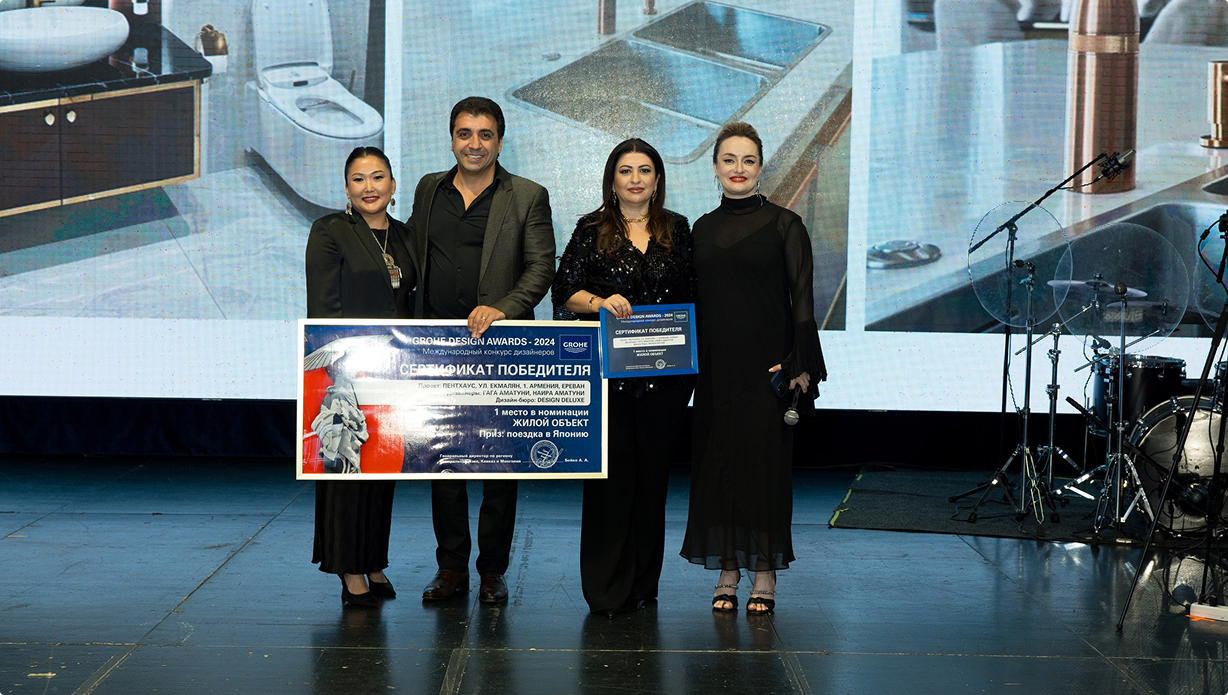
A special highlight of the evening was the award ceremony for the international
GROHE Design Award 2024, which was held for the first time as part of the Tanu Award.
This collaboration elevated the event to a new scale, underscoring the competition’s significance
on the international stage and strengthening cooperation with global leaders in interior solutions.
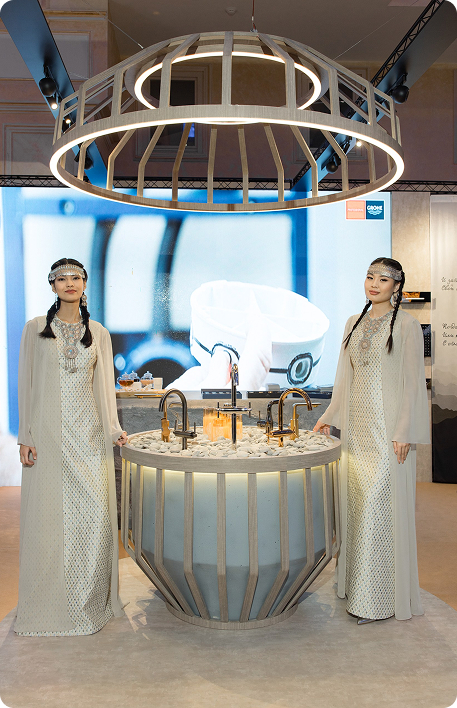

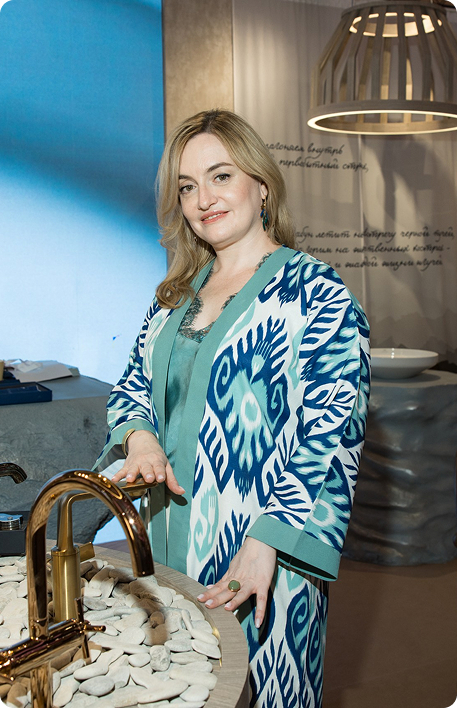
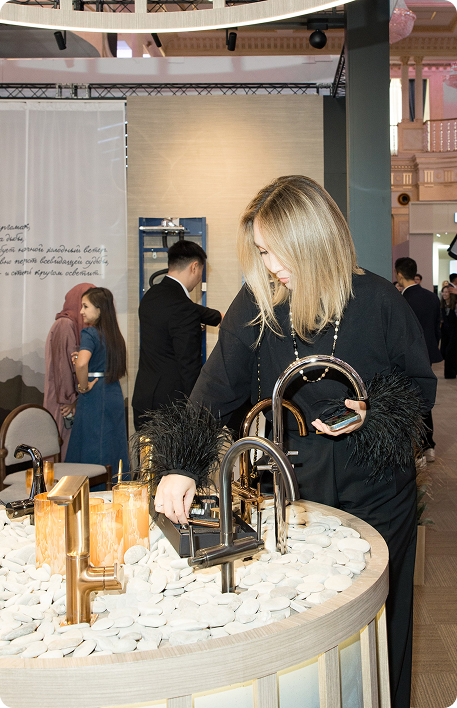
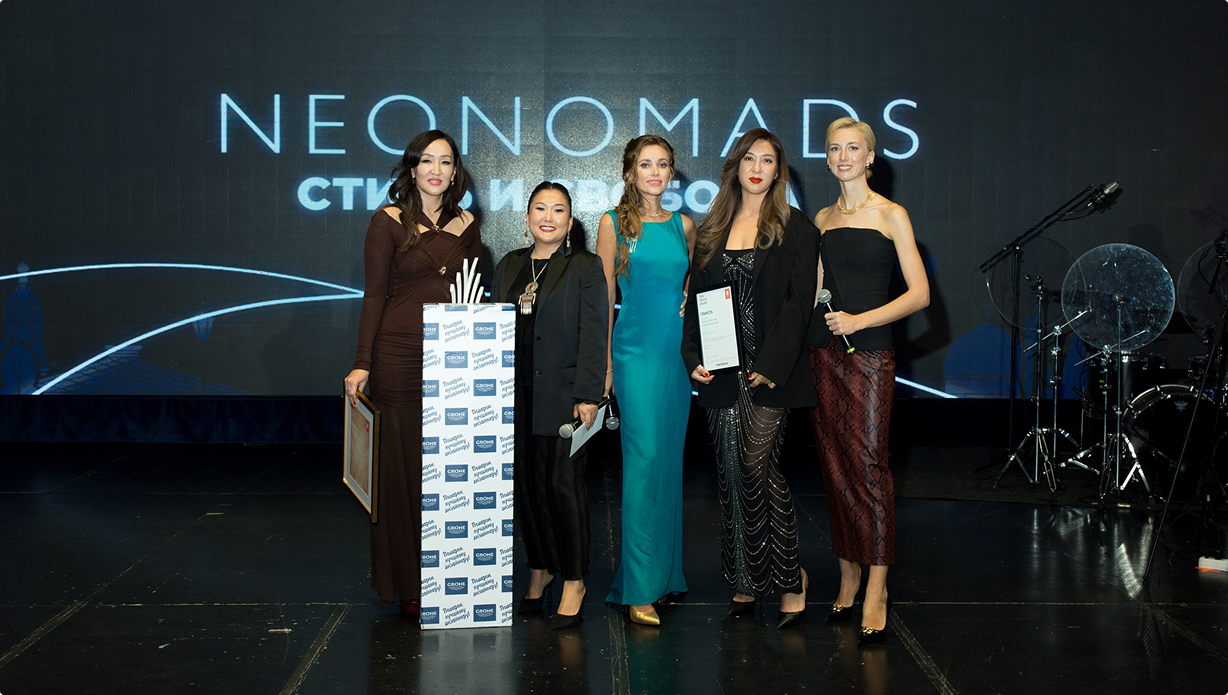

The theme captured the spirit of the times: mobility, individuality, flexibility, and a high quality of life. Participants showcased projects that blended innovation, aesthetics, and a new philosophy of space.
Participant Projects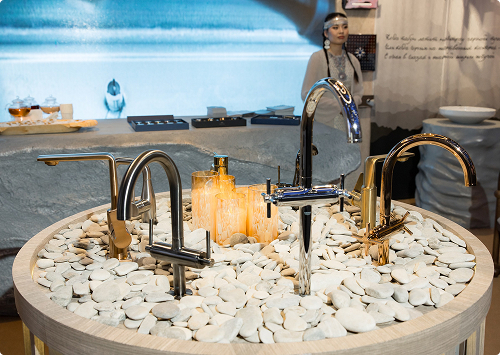
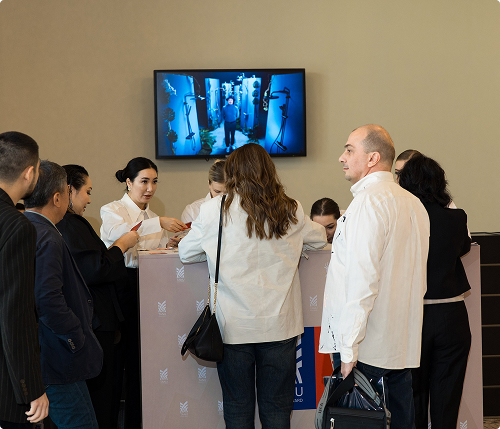
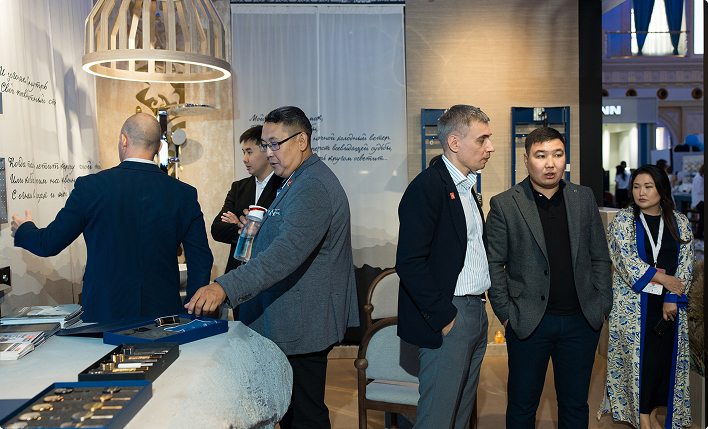
Tanu Award 2024 was more than just an awards ceremony
— it served as a platform for dialogue, knowledge exchange, and inspiration.
The event underscored the importance of fostering a creative environment,
promoting international collaboration, and championing the sustainable
development of design as a future-oriented profession.
GROHE Design Award 2024 Winners
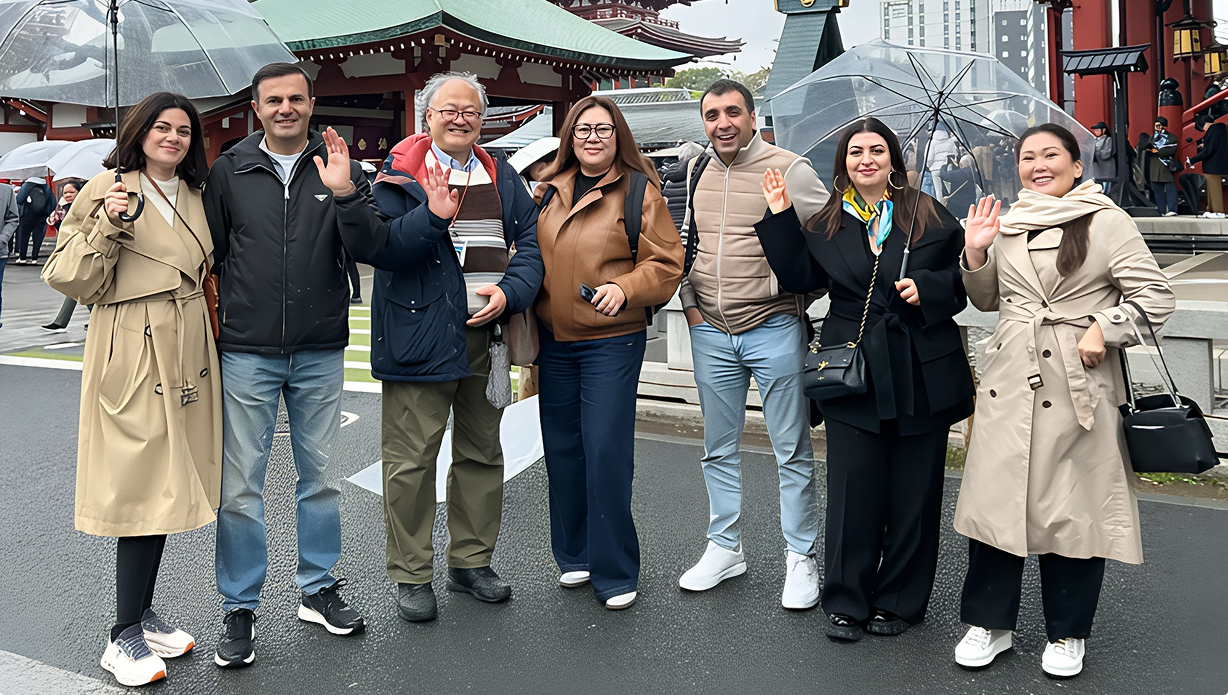
Design, inspiration, and culture — without borders The first-place winners of the GROHE Design Award 2024 in both the Residential and Commercial interior categories received not only recognition from the professional community but also a unique opportunity: an enriching trip to Japan.
This journey became a true cultural and professional immersion, blending aesthetics,
technology, and design philosophy.
Over several days, participants visited Tokyo's leading architectural studios,
design galleries, GROHE and LIXIL showrooms, and iconic examples of contemporary
Japanese architecture. Special attention was given to themes of sustainability, minimalism,
and the integration of traditional elements into modern interiors.
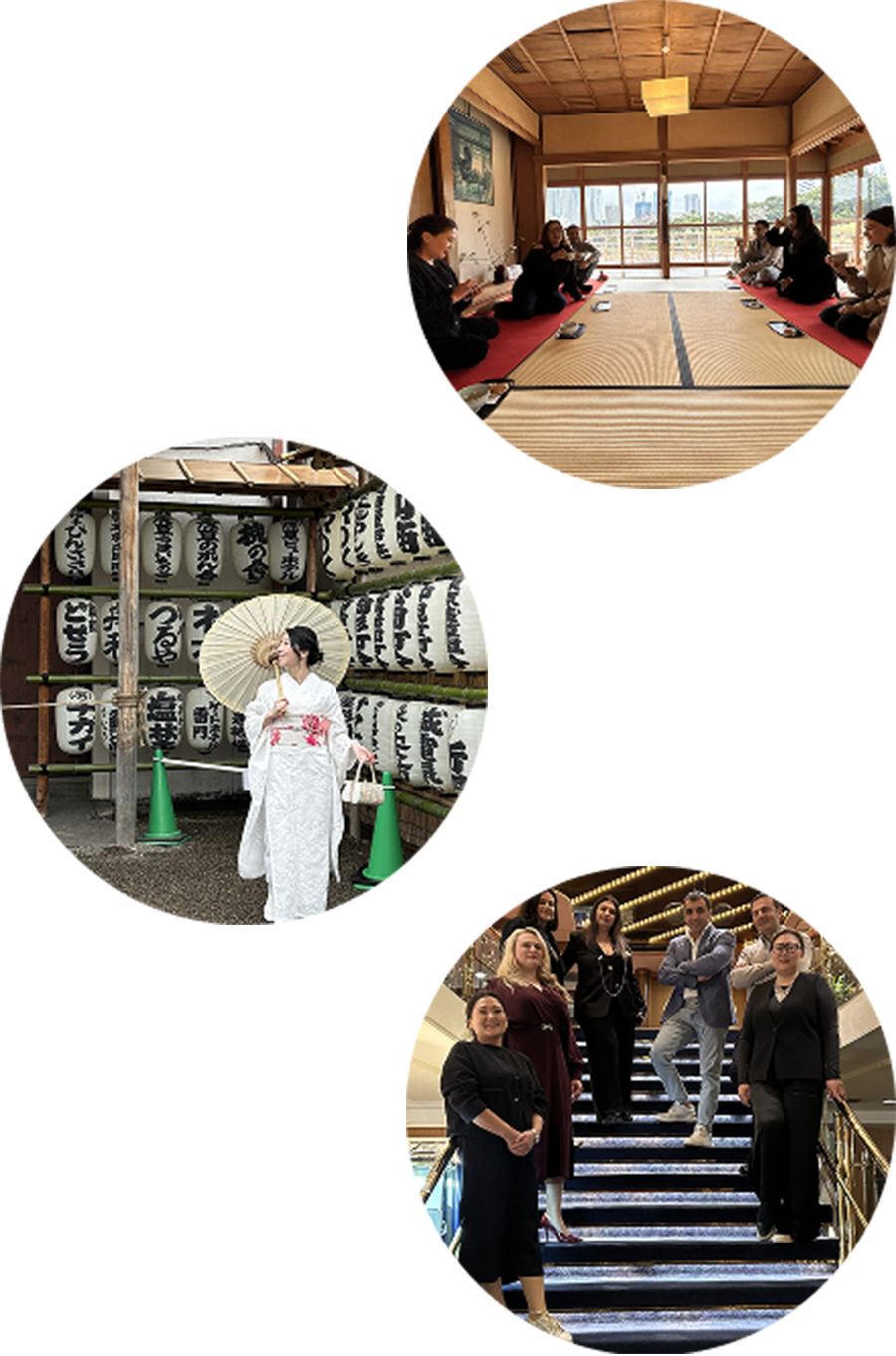



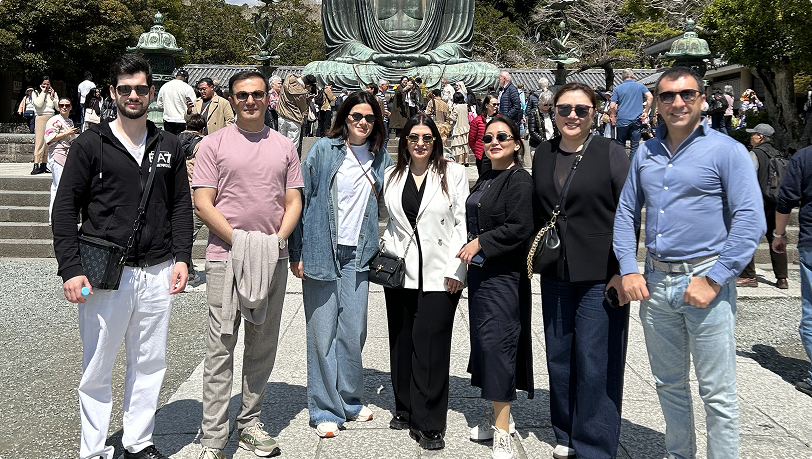

The organizers ensured the trip was enriching and inspiring: This included meetings with Japanese designers, tours of iconic buildings and districts, lectures on the philosophy of space in Japanese culture, and an introduction to the handicraft approach to detail for which Japanese design is renowned worldwide.